Welcome to the PMT Education Blog, a hub catering to students, parents, and teachers alike. Here, you’ll find a wealth of articles and resources designed to empower all members of the educational community. Explore topics ranging from student success and parenting tips to teaching strategies and more.
AQA English Language Paper 1 Question 5 is the creative writing task worth 40 marks. This guide shows you how to approach writing both a description and a narrative opening, including planning your ideas, using ambitious vocabulary, and nailing SPaG. It’s packed with practical tips to help you tackle the question with confidence.
Read More
AI is now part of your child’s schoolwork—but is it helping, or doing the thinking for them? This article breaks down what you need to know about AI’s impact on learning, including critical thinking, decision-making, and problem-solving skills, and offers practical tips to help your child use AI wisely.
Read More
Discover how Rosenshine’s Principles of Instruction can transform your classroom teaching. This article breaks down Rosenshine’s 10 evidence-based strategies—from modelling and scaffolds to questioning and guided practice—and offers practical tips to help students understand, retain, and apply knowledge more effectively.
Read More
Effectively tutoring learners with maths anxiety can transform their experience of maths. By revisiting the fundamentals, addressing knowledge gaps, practising exam techniques, and creating a safe, supportive environment, you can help students build confidence and reach their full potential.
Read More
 Students
Amid the grind of studying and non-stop productivity, the importance of effective breaks often gets overlooked. It’s not about squeezing more work into your schedule; it’s about nurturing your mental health. Learn how to make the most of your breaks to reduce stress and rejuvenate your mind.
 Teachers
Supporting underperforming students can be challenging. Peter Edmunds shares his journey from overwhelming cramming sessions to a smarter, more engaging approach. Explore the power of early retrieval-based revision, self-quizzing, and self-improvement tools, all designed to empower students to succeed.
 Parents
T Levels: What are they and how do they differ from other qualifications? This article delves into what T Levels are, how they are taught and assessed, and the opportunities they offer, comparing them to BTECs and apprenticeships. As T Levels continue to roll out, it’s essential to understand this evolving educational landscape.
 Students
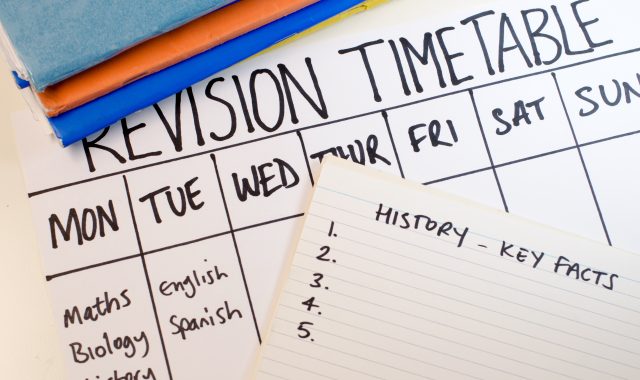
As the holiday season draws near, so does the daunting prospect of mock exams. The stress and pressure can feel overwhelming, but there’s one key to success that stands out: planning. This article offers practical advice on crafting an efficient and effective revision timetable. Discover how to master the art of planning your study schedule.
 Teachers
Preparing for an Ofsted inspection can be nerve-wracking, but with the right approach, it doesn’t have to be. David Gash shares his insights on how teachers can consistently maintain high expectations, behaviour standards, and safeguarding measures, making the inspection process more aligned with the daily routines of quality teaching.
 Parents
Traditional qualifications aren’t the right choice for every student. This article delves into alternative vocational qualifications for Sixth Form education – BTECs, Apprenticeships, and T Levels. Find out if one of these options better aligns with your child’s unique strengths and career aspirations.
 Students
Imposter syndrome: a silent adversary that could be impacting your school experience. This article delves into the heart of this common phenomenon, exploring its roots, manifestations, and various strategies for coping. Understand the not-so-familiar enemy within and learn how to overcome it.
 Parents
Is your child approaching the end of Year 11, contemplating their next educational chapter? With numerous options, you play a vital role in helping them make an informed choice for their Sixth Form or College. Discover how to navigate this crucial decision, whether they opt for familiar surroundings or seek a fresh start.
 Teachers
Twitter can be an invaluable resource for educators looking to enhance their professional development. With a multitude of teachers, support staff, and educational experts, #EduTwitter is a thriving platform. In this article Dr Dan Jones (@Hookean1) provides essential tips to maximise your #EduTwitter experience.
 Students
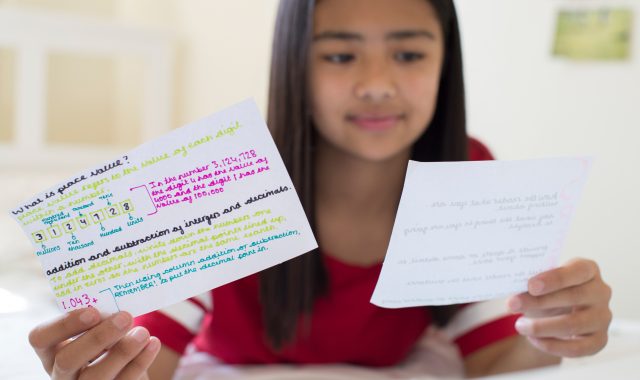
Life in sixth form or college is very different from school. It’s an exciting time that will present both new opportunities and challenges. Written by a student who successfully survived sixth form, this article offers valuable insights into the world of A Levels, sharing ten things the author wishes they’d known before embarking on this educational journey.
 Parents
Achieving academic success isn’t just about innate talent; it’s about cultivating the right habits. In this article, we explore the six crucial habits of high-achieving students and how you can guide your child in adopting them. Unlock their academic potential and pave the way for a successful future!
 Teachers
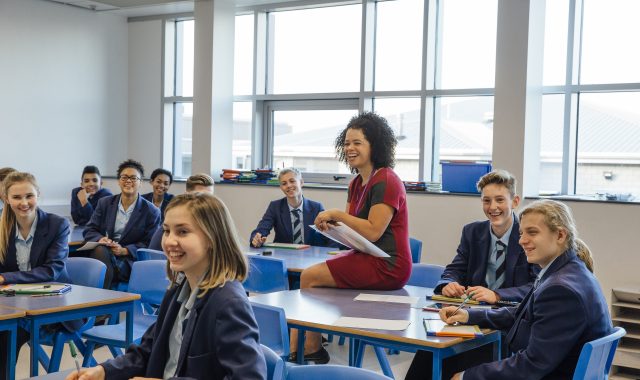
The start of a new school year means many educators face the challenge of teaching entirely new cohorts. Sam Ayo-Adepoju offers practical tips for teachers to establish positive relationships, set clear routines, and make a great first impression in their new classes, ensuring a successful academic year ahead.

Discover a zero-fuss platform where you can search for high-calibre tutors, meet for interactive lessons and track progress – all in one place.


Comprehensive STEM (Science, Technology, Engineering, Maths, and Medicine) resources.

Affordable crash courses for GCSE, AS and A Level and University Admissions preparation.